
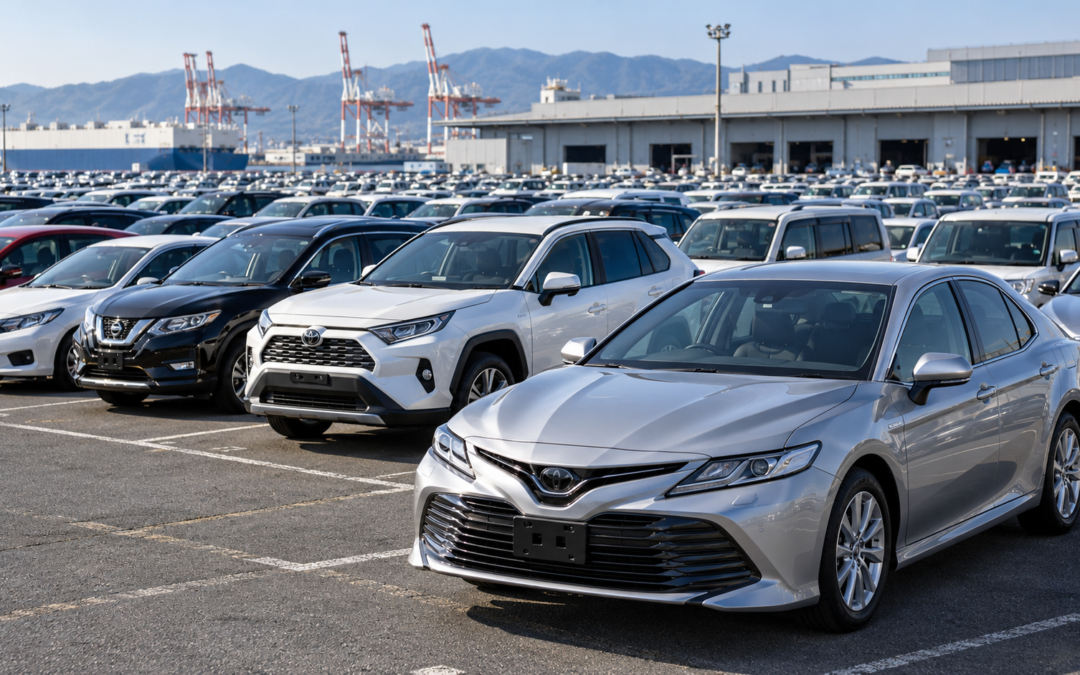
How to Buy Cars from Japanese Auto Auctions: A Complete Guide for International Buyers
Buying cars from Japanese auto auctions is an attractive option for international dealers, vehicle importers, and individual buyers looking for a wide selection of used vehicles. Japan has an established automotive market, and its auction system allows eligible buyers to explore vehicles of different makes, models, ages, and conditions.
However, purchasing a vehicle from an auction involves more than selecting a car and placing a bid. Buyers must understand auction grades, review vehicle condition reports, calculate the total purchase and shipping costs, and coordinate export arrangements.
IK Logistics Japan helps buyers understand the logistics involved in sourcing vehicles from Japan and preparing them for international shipment. This guide explains the main steps involved in buying cars from Japanese auto auctions.
1. Understand How Japanese Car Auctions Work
Japanese automobile auctions provide a marketplace where vehicles are offered for bidding. Auction venues and auction networks handle a broad range of vehicles, including compact cars, sedans, SUVs, vans, hybrids, and commercial vehicles.
Many established auction systems, including USS, TAA, and JU, operate primarily through registered members and authorized participants. International buyers may therefore need to work with an eligible Japanese auction agent or vehicle exporter to access listings and place bids.
Before participating, determine which vehicles meet your requirements. Consider the make and model, manufacturing year, mileage, transmission, fuel type, condition, and intended use in your destination country.
It is also important to understand that an auction purchase is not the same as buying from a traditional dealership. Auction conditions, payment deadlines, cancellation policies, and dispute procedures can differ. Review the applicable rules before committing to a purchase.
2. Check Auction Sheets and Vehicle Condition
One of the most important steps when buying cars from Japanese auctions is reviewing the auction sheet. This document typically provides information about the vehicle’s condition, mileage, equipment, and reported defects.
Auction grading systems vary by auction house, so buyers should not assume that the same grade means exactly the same thing everywhere.
When reviewing a vehicle, pay attention to:
- Overall auction grade: Use it as an initial indication of the vehicle’s reported condition, not as a guarantee.
- Interior grade: Check the reported condition of the seats, dashboard, carpets, and other interior components.
- Mileage: Review the recorded mileage and any available mileage verification information.
- Damage diagrams: Look for markings that identify scratches, dents, repairs, corrosion, or other reported damage.
- Inspection comments: Have unclear abbreviations and handwritten notes explained by someone familiar with Japanese auction documentation.
- Photographs: Request additional images where available, particularly for areas that may affect the vehicle’s value or suitability.
An attractive auction grade does not eliminate the need to investigate a vehicle carefully. Buyers should also consider accident history, mechanical condition, maintenance records, and any limitations in the available inspection information.
If a detail is unclear, ask your auction agent or exporter to clarify it before bidding.
3. Choose the Right Vehicle and Set a Realistic Budget
Before placing a bid, define your buying requirements and calculate the maximum amount you can reasonably spend.
Start by comparing available vehicles according to their model, year, mileage, condition, specification, and expected resale value. If you are importing a vehicle for personal use, consider your driving requirements and local ownership costs. Dealers should also consider customer demand and the potential selling price in their target market.
Your budget should account for more than the winning auction bid. Depending on the transaction, additional costs may include:
- Auction fees and agent charges.
- Domestic transportation from the auction venue.
- Vehicle storage and handling.
- Export documentation and customs processing in Japan.
- Port handling and container loading, where applicable.
- International freight charges and marine insurance, if arranged.
- Destination-country duties, taxes, clearance, and registration expenses.
Not every cost applies to every shipment, and the amount can vary by vehicle, route, service provider, and destination.
Establish a maximum bid after considering these expenses. This helps prevent overpaying for a vehicle that becomes uneconomical once transportation and import costs are included.
You should also verify whether the vehicle meets your destination country’s import rules, including any restrictions based on age, emissions, specifications, or right-hand-drive configuration.
4. Arrange Auction Purchasing, Payment, and Vehicle Collection
Once you have selected a suitable vehicle, coordinate the bidding process with your authorized auction agent or exporter. Confirm the bidding limit, applicable fees, payment arrangements, and what happens if the bid is successful.
After winning an auction, buyers generally need to settle the purchase according to the auction house’s payment terms. Delays or misunderstandings can affect vehicle collection and the subsequent export schedule.
Following payment, the vehicle must be released and transported to the appropriate facility, storage location, or export port. The exact process depends on the auction house, the vehicle’s location, and the export arrangements.
This is where reliable logistics coordination becomes especially valuable. Domestic transportation, vehicle reception, storage, documentation, and shipping preparation must be organized in the correct sequence.
IK Logistics Japan’s auction purchasing and handling service is a relevant starting point for buyers seeking assistance with the auction-related process. Discuss your requirements with the company to confirm the services available for your particular transaction.
Before proceeding, obtain clear confirmation of the vehicle’s purchase status, expected collection arrangements, outstanding payments, and any documents needed to move the vehicle forward.
5. Prepare the Vehicle for Export and International Shipping
After purchasing a vehicle, the next stage is arranging its export from Japan. This requires coordination between the relevant parties handling vehicle transportation, documentation, port procedures, and international shipping.
Depending on the destination and transaction, export preparation may involve checking the vehicle’s identifying details, arranging the required export paperwork, confirming shipping instructions, and completing applicable customs procedures.
Buyers should ensure that the chassis or frame number, vehicle details, and commercial documentation are consistent. Errors or missing documents can lead to delays, additional handling costs, or problems during destination-country clearance.
The shipping method also matters. Container shipping may be appropriate for buyers who want enclosed transport or are shipping multiple vehicles, subject to loading capacity and operational requirements. RoRo shipping may be available for eligible running vehicles on routes served by suitable vessels.
Compare the available options based on the destination, vehicle condition, shipment size, schedule, and overall cost. Do not assume that one method is always cheaper or more suitable.
IK Logistics Japan provides services related to vehicle logistics and export coordination. Explore the company’s services to identify relevant support, and contact the team to discuss your vehicle, destination, and shipping requirements.
Start Your Japanese Vehicle Export Journey with IK Logistics Japan
Buying a car from a Japanese auto auction can be a practical way to source vehicles for personal use or commercial resale, provided the purchase is carefully evaluated and the export process is properly coordinated.
The key is to research the vehicle, understand its auction documentation, establish a realistic budget, verify import eligibility, and organize transportation and shipping before committing to the transaction.
If you are planning to source vehicles from Japan, IK Logistics Japan can be a starting point for discussing your auction handling and vehicle export logistics requirements. Visit the IK Logistics Japan homepage to learn more and contact the team about your shipment.
Can international buyers purchase cars directly from Japanese auto auctions?
Many Japanese auto auctions require membership or participation through authorized channels. International buyers commonly work with an eligible auction agent or vehicle exporter who can help them access listings, place bids, and coordinate the purchase.
How do I check the condition of a car at a Japanese auction?
Review the auction sheet, overall and interior grades, mileage information, damage diagram, inspection comments, and available photographs. Because grading practices vary, ask an experienced auction agent to explain unclear markings and reported defects before bidding.
What additional costs should I consider when buying a car from Japan?
In addition to the auction price, consider auction fees, agent charges, domestic transportation, storage, export documentation, port handling, international freight, insurance, and destination-country duties and taxes where applicable.
How long does it take to ship a car purchased at a Japanese auction?
The timeline depends on payment processing, vehicle release, domestic transportation, documentation, vessel availability, and the destination port. Ask your logistics provider for an estimated schedule based on your specific shipment.
Can IK Logistics Japan help with auction purchasing and vehicle export logistics?
IK Logistics Japan offers auction purchasing and handling and other vehicle logistics services. Contact the company directly to confirm the support available for your vehicle purchase, destination, and shipping requirements.