
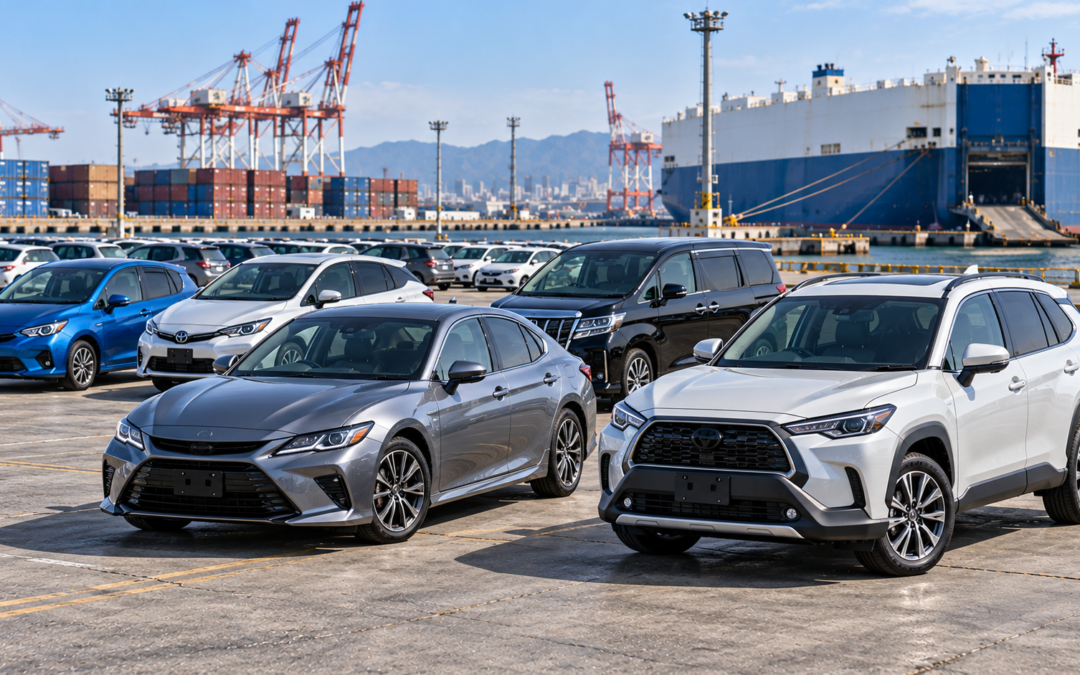
Best Japanese Cars to Import: Popular Models for International Buyers
Japan is an important source of vehicles for international buyers, offering a wide selection of compact cars, sedans, SUVs, hybrid vehicles, minivans, and commercial vehicles. Whether you are a car dealer looking to expand your inventory or an individual buyer searching for a suitable vehicle, importing from Japan provides access to a broad range of models and specifications.
However, choosing the right vehicle involves more than comparing purchase prices. Buyers should consider vehicle condition, mileage, maintenance requirements, fuel economy, availability of spare parts, import regulations, and the total cost of shipping.
IK Logistics Japan supports vehicle sourcing and export logistics through services related to auction purchasing, vehicle handling, and shipping coordination. This guide explores popular Japanese vehicle types and the factors to consider before importing a car.
1. Why Consider Importing Cars from Japan?
Japanese vehicle auctions and the used-car market offer a diverse selection of vehicles across different price ranges and categories. Buyers can compare multiple models and specifications to find vehicles that suit their budgets, preferences, or business requirements.
Several factors make Japan an attractive sourcing market for international buyers.
Wide vehicle selection: Buyers can explore compact hatchbacks, family sedans, SUVs, hybrid vehicles, minivans, and commercial models.
Multiple specification options: Vehicles may be available with different engine sizes, transmissions, equipment packages, and trim levels.
Auction-based purchasing opportunities: Eligible buyers can access auction listings through authorized agents and compare vehicles according to their reported condition, specifications, and bidding prices.
Options for different budgets: The available inventory ranges from economical everyday vehicles to premium models, depending on the market and current listings.
Nevertheless, not every Japanese vehicle is suitable for every destination. Some models may face import restrictions, while others may have specifications that are less practical for local driving conditions.
Before choosing a vehicle, research your destination country’s import regulations and compare the complete landed cost, including purchase, transportation, shipping, duties, taxes, and registration expenses where applicable.
2. Popular Japanese Compact Cars and Hatchbacks
Compact cars and hatchbacks are worth considering for buyers who prioritize practical dimensions, everyday usability, and potentially lower running costs.
Models such as the Toyota Yaris, Honda Fit, Nissan Note, and Suzuki Swift are examples of Japanese compact vehicles that buyers may encounter in the used-car market. Availability, specifications, and model-year differences vary.
These vehicles can be suitable for urban driving, smaller households, first-time car owners, and dealers targeting customers who prefer economical passenger cars.
When evaluating a compact car, consider:
-
Engine capacity and fuel consumption.
-
Transmission type and maintenance history.
-
Mileage and reported vehicle condition.
-
Passenger and luggage space.
-
Availability of replacement parts in your destination country.
-
Local emissions, safety, and registration requirements.
Hybrid variants may also be worth researching where available. However, buyers should investigate battery condition, replacement costs, and access to qualified maintenance support before purchasing a used hybrid.
A low auction price should not be the only deciding factor. Compare similar vehicles, review their inspection reports, and calculate the total import cost to determine whether a particular model makes financial sense.
3. Japanese Sedans, SUVs, and Family Vehicles
Buyers who need additional passenger space, comfort, or versatility may prefer sedans, SUVs, and minivans.
Sedans: Models such as the Toyota Corolla, Toyota Camry, and Honda Civic may appeal to buyers looking for everyday transport, family use, or potential resale opportunities. Compare engine options, equipment, condition, and local market demand.
SUVs and crossovers: Vehicles such as the Toyota RAV4, Honda CR-V, and Mazda CX-5 offer alternatives for buyers seeking a higher driving position and flexible passenger or cargo space. Check dimensions, engine specifications, drivetrain, and the availability of parts and servicing.
Minivans and family vehicles: Models such as the Toyota Noah, Toyota Voxy, and Honda Stepwgn may interest buyers who prioritize passenger capacity and flexible interior arrangements. Confirm the seating configuration, vehicle dimensions, and import eligibility before making a purchase.
The suitability of each vehicle depends on your destination, budget, and intended use. A larger vehicle may offer more space but can also involve higher transportation expenses, fuel consumption, and import charges.
For commercial buyers, it is important to investigate local demand rather than assuming that a model popular in Japan will necessarily sell well in another country.
4. Hybrid and Fuel-Efficient Japanese Cars
Hybrid vehicles are another category that international buyers may consider when sourcing cars from Japan.
Models such as the Toyota Prius, Toyota Aqua, and Honda Fit Hybrid are examples of vehicles that have been offered with hybrid powertrains in various model years and specifications.
Hybrid vehicles can be attractive to buyers who prioritize fuel efficiency, particularly in markets where local driving conditions, fuel prices, and maintenance support make them a practical choice.
Before importing a used hybrid, investigate the following:
-
Battery condition: Determine whether reliable information about the hybrid battery’s condition is available.
-
Service history: Review maintenance records and any available inspection information.
-
Specialist support: Confirm that qualified technicians and appropriate replacement parts are available locally.
-
Model specifications: Check the exact year, engine, powertrain, trim, and equipment configuration.
-
Import eligibility: Verify any applicable emissions, age, technical, or registration restrictions.
-
Total ownership costs: Consider fuel, servicing, potential repairs, import expenses, and insurance.
Fuel efficiency and reliability should not be assumed solely from a model name. Actual performance and maintenance requirements vary with the specific vehicle, its age, condition, and usage history.
A careful inspection and realistic cost assessment can help you decide whether a particular hybrid is appropriate for your requirements.
5. How to Choose the Right Japanese Car and Arrange Export
Once you have identified suitable models, compare individual vehicles before committing to a purchase.
Start by defining your budget, preferred specifications, intended use, and destination-country requirements. Then review available listings or auction sheets, compare mileage and condition, and investigate the market value of similar vehicles.
Calculate the estimated total cost, including the purchase price, auction or agent fees, domestic transportation, storage, export documentation, port handling, international shipping, and applicable destination charges.
You should also confirm whether the vehicle can be imported and registered in your intended market. Restrictions may apply to vehicle age, emissions, steering configuration, safety requirements, and other specifications.
After selecting a suitable vehicle, arrange payment, vehicle collection, and the necessary export documentation. The next steps may include domestic transportation, storage, container booking, loading, and international shipment, depending on the agreed logistics arrangement.
IK Logistics Japan provides services related to auction purchasing and handling, vehicle transportation, container booking, and vehicle loading. Explore the Auction Purchasing & Handling service, Container Booking service, and full services page to learn more about the relevant service areas.
Find the Right Vehicle for Your Import Requirements
The best Japanese car to import depends on your budget, destination, vehicle condition, intended use, and local market demand. Compact cars may suit buyers looking for practical urban transport, while sedans, SUVs, minivans, and hybrids offer different benefits.
Research the exact model and specification, verify import eligibility, review vehicle condition information, and calculate the complete landed cost before purchasing.
If you are planning to source vehicles from Japan, visit the IK Logistics Japan homepage to explore the available logistics services and discuss your vehicle export requirements.
What are the best Japanese cars to import?
The best choice depends on your budget, destination country, and intended use. Compact cars such as the Toyota Yaris and Honda Fit, sedans such as the Toyota Corolla, SUVs such as the Toyota RAV4, and hybrids such as the Toyota Prius are examples worth researching.
Are Japanese hybrid cars worth importing?
Japanese hybrid cars may be suitable for buyers seeking fuel-efficient vehicles. Before purchasing, check the hybrid battery condition, service history, availability of replacement parts, maintenance costs, and local import regulations.
How can I choose a reliable used car from Japan?
Review the auction sheet, inspection comments, mileage information, photographs, and available service history. Consider an additional inspection where possible, and confirm that the vehicle meets your destination country’s import and registration requirements.
What costs should I consider when importing a Japanese car?
Consider the vehicle price, auction and agent fees, domestic transportation, storage, export documentation, shipping, insurance, customs duties, taxes, and destination-country clearance and registration expenses where applicable.
Can IK Logistics Japan help me arrange the export of a car purchased in Japan?
IK Logistics Japan offers vehicle logistics services, including auction purchasing and handling, container booking, and vehicle loading. Contact the company to confirm which services are available for your vehicle, shipping route, and destination.